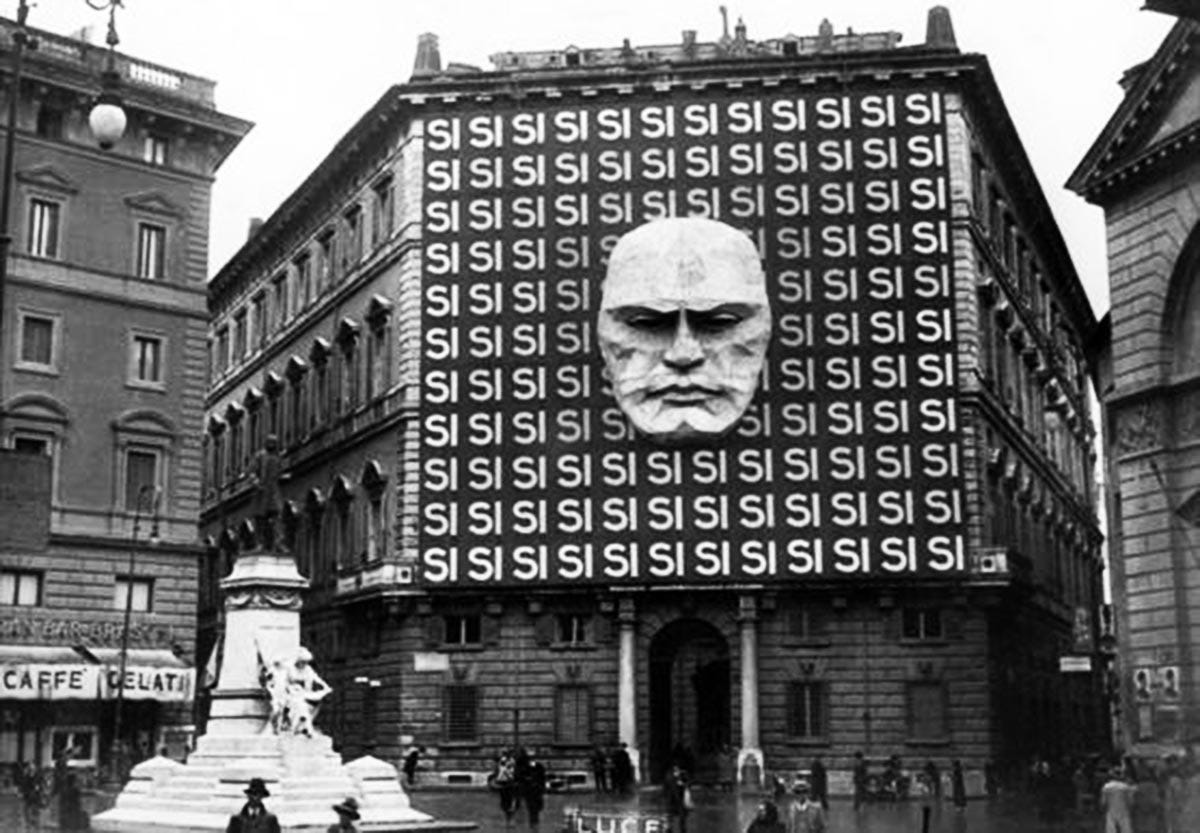
Today, on Holocaust Remembrance Day, we pause to honor the six million Jews and millions of others who perished during one of history’s darkest chapters. But remembrance alone is not enough. The Holocaust was not an inevitable event; it was the result of rising extremism, fueled by economic inequality, political instability, and scapegoating. These forces did not vanish with the defeat of the Nazis. They are with us today, and they are growing stronger, even here in the United States
Fascism, with its seductive promises of order and greatness, thrives in times of despair. In the 1920s and 1930s, the Great Depression left millions destitute, angry, and searching for someone to blame. In Europe, this despair paved the way for authoritarian regimes that preyed on fear and hatred. In the United States, we had no immunity to this same rising tide. Fascist movements flourished in our own backyard, from the German-American Bund to the public adoration of figures like Charles Lindbergh, who openly praised authoritarian regimes.
What saved America from sliding fully into fascism wasn’t just World War II but the New Deal. FDR’s sweeping reforms didn’t simply rebuild the economy—they rebuilt hope. They gave people jobs, dignity, and a sense of agency in their future. The New Deal’s investments in public works, social programs, and wealth redistribution were a direct assault on the inequality that feeds extremism. By addressing the root causes of despair, the New Deal left little oxygen for fascism to grow.
But today, we’re watching history repeat itself in ways that should terrify us all. Since the 1980s, policies rooted in deregulation, tax cuts for the wealthy, and the dismantling of social safety nets have created a society where wealth inequality rivals that of the Gilded Age. Millions of Americans are struggling to make ends meet, while a handful of billionaires amass unimaginable fortunes. The cracks in our system have widened into chasms, and through those chasms, fascism is once again rearing its ugly head
Nowhere is this more evident than in the rise of MAGA America and the policies of a new administration that reflect a dangerous form of neo-fascism. From attempts to restrict voting rights and suppress dissent to policies that target immigrants, LGBTQ+ individuals, and other marginalized communities, we are witnessing a playbook eerily similar to the one used by authoritarian regimes of the past. The politics of division and scapegoating have become a central feature of the MAGA movement, which cloaks its extremism in the language of patriotism and tradition while undermining the democratic institutions that hold our nation together.
This is not alarmism; it is history repeating itself. Fascism doesn’t arrive with a single, catastrophic event. It creeps in gradually, normalizing hate, consolidating power, and exploiting despair. When people feel abandoned by the system, when they are angry and desperate, they become vulnerable to leaders who promise easy answers and someone to blame. This is the fertile ground on which MAGA neo-fascism is taking root.
On Holocaust Remembrance Day, we are reminded of the stakes. The Holocaust did not begin with gas chambers; it began with words, policies, and a slow erosion of democratic norms. It began with leaders who told their citizens that their pain was someone else’s fault—Jews, immigrants, intellectuals, “outsiders.” And it took hold because too many people looked the other way, dismissing the warning signs until it was too late.
If we are to stop the rise of neo-fascism in America, we must address its root cause: inequality. The New Deal showed us the way. By investing in social programs, taxing the wealthy, and ensuring access to good jobs, education, and healthcare, we can rebuild the sense of security and hope that inoculates societies against extremism. This is not about charity; it is about survival. A society where millions live in despair is a society ripe for authoritarianism.
We must also call out fascism for what it is, without fear or equivocation. The MAGA movement’s embrace of authoritarian rhetoric, its demonization of marginalized groups, and its attacks on democratic norms are not just political strategies—they are the hallmarks of a dangerous ideology that has no place in a democratic society. We cannot afford to normalize or dismiss these actions as “politics as usual.” To do so would be to dishonor the memory of those who perished in the Holocaust and those who fought to defeat fascism.
Some will say this is hyperbole, that America is too strong, too exceptional, to fall to such forces. But the lessons of history are clear: no nation is immune. Fascism thrives not in moments of strength but in moments of vulnerability. And right now, our nation is vulnerable.
On this solemn day of remembrance, let us honor the victims of the Holocaust by standing up against the forces that threaten to repeat its horrors. Let us reject the politics of hate and division and recommit ourselves to the principles of equality, justice, and democracy. The stakes are too high to look away, and history will judge us by the actions we take—or fail to take—today. If we want to preserve our democracy, we must confront the rising tide of neo-fascism with the same courage and resolve that defeated it once before. The future of both America and the World depends on it.